Cornerstone Plastic Surgery has partnered with Rejuvenessence to bring you an expert-led Weight Loss Program. Learn More on our partner’s website!


Vaginal rejuvenation is an umbrella term for procedures that restore the appearance, support, and comfort of the vaginal and vulvar tissues. It’s often thought of as cosmetic, but many patients seek it for functional reasons — laxity after childbirth, enlarged labial tissue, or excess clitoral hood tissue that causes daily discomfort. Every treatment plan with Dr. Coville starts with understanding your specific concerns, not assuming which procedure you need.
Because “vaginal rejuvenation” covers such a wide range of concerns, this page is meant as a starting point. If you already know which change you’re trying to address, the individual procedure pages below go into more depth on recovery, technique, and candidacy.
Repairs stretched pelvic floor muscles to restore vaginal support and tone, most often for women experiencing laxity after childbirth or aging.
Reduces or reshapes the labia minora to relieve chafing and irritation and create a more balanced appearance.
Removes excess tissue surrounding the clitoris to improve comfort and symmetry while preserving sensation.
Many patients frequently combine treatments to address two or three concerns in a single surgery and recovery period, based on Dr. Coville’s recommendation during consultation.
For women who aren’t ready for surgery, or who want to maintain surgical results long-term, Rejuvenessence Med Spa offers complementary treatments:
These options may stand alone or support a surgical plan, depending on your goals.
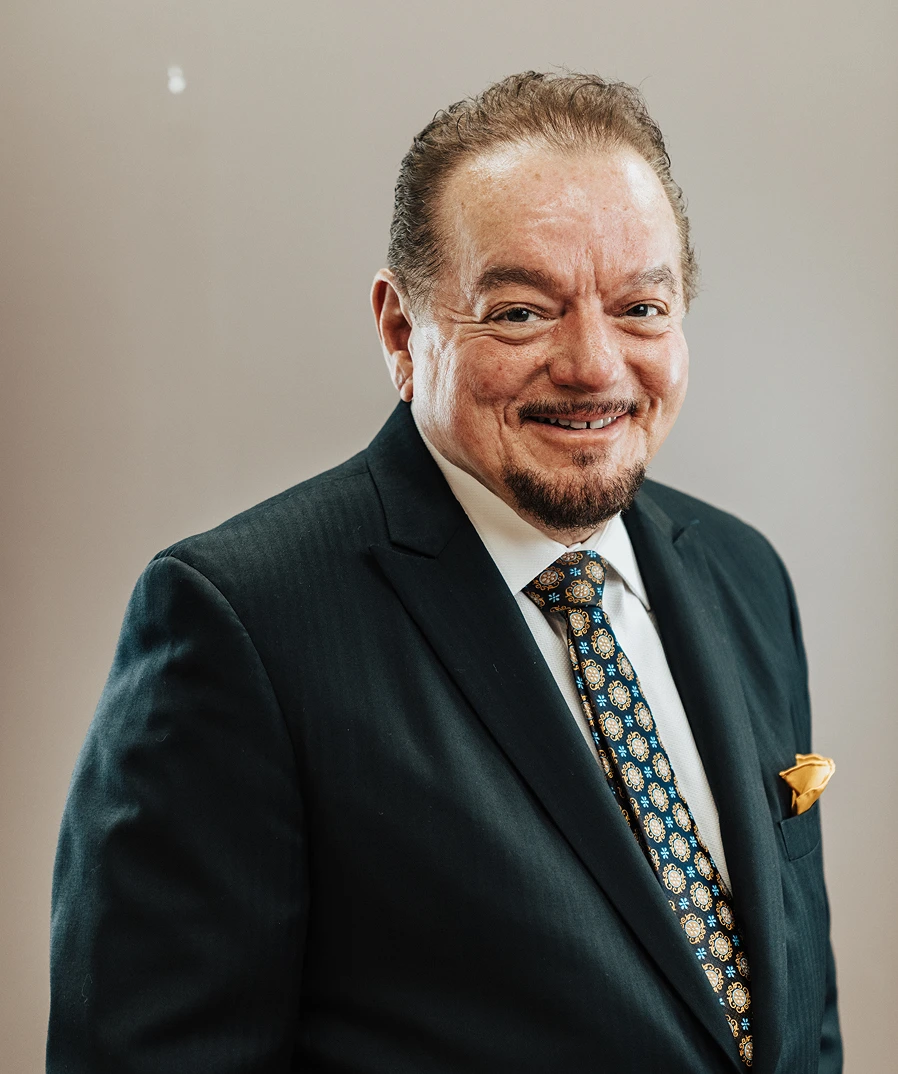
Every journey starts with a private, confidential conversation. Dr. Coville will review your health history, ask about your specific concerns, and examine the relevant anatomy when appropriate. From there, he’ll recommend a surgical or non-surgical path (or both) and walk through recovery, risks, and realistic expectations before you decide on anything.
There’s no pressure to choose during this first visit. Many patients need time to think through their options, and that’s expected. Dr. Coville would rather you leave with clarity and take the time you need than feel rushed into a decision about a procedure this personal.
Membership




Surgical procedures, like vaginoplasty, labiaplasty, and clitoral hood reduction, are performed in our accredited surgical facility under local anesthesia with sedation or general anesthesia, generally taking one to two hours. You’ll go home the same day. Whereas non-surgical treatments are completed in-office, usually in under an hour, with little to no downtime.
Non-surgical treatments involve minimal downtime; mild redness or sensitivity typically resolves within a few days, and your provider may recommend briefly avoiding sexual activity.
Surgical recovery takes longer. Most patients return to light daily activity within one to two weeks, while strenuous exercise, swimming, tampon use, and intercourse are generally postponed for about six weeks. Dr. Coville provides detailed instructions and monitors your healing through scheduled follow-ups.
Because the category spans everything from a no-downtime radiofrequency session to a surgical repair, the benefits you’ll notice most depend heavily on which concern you’re addressing — which is exactly why an individualized recommendation matters more than a generic treatment menu.
Potential risks include swelling, bruising, mild discomfort, temporary changes in sensation, minor bleeding, infection, delayed healing, scarring, mild asymmetry, and — rarely — a need for revision. Dr. Coville’s meticulous technique and thorough follow-up are designed to minimize these, and he’ll walk through each one during your consultation.
You may be a candidate for vaginal rejuvenation if you:
The right procedure, or combination, depends entirely on your anatomy and goals, which is why the consultation comes before any recommendation.
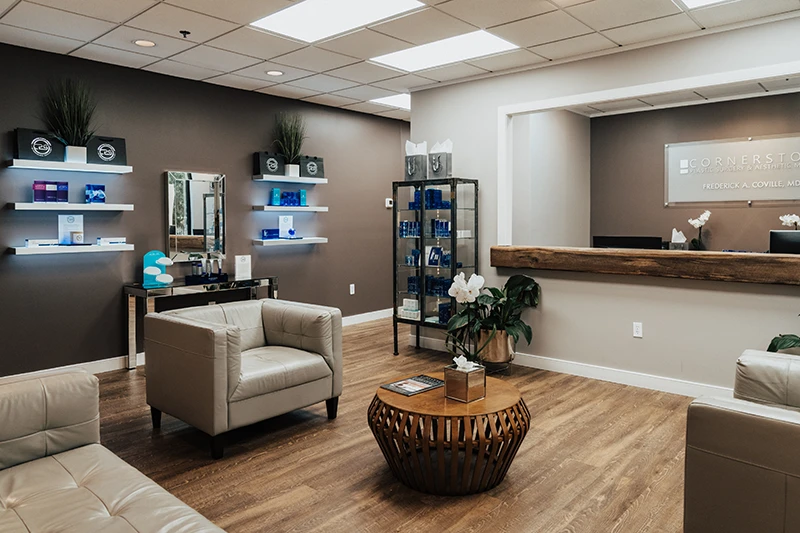
Dr. Coville is a fully trained, residency and fellowship-trained aesthetic and reconstructive plastic surgeon with more than 25 years in practice and over 14,000 procedures behind him. This breadth of experience enables him to move fluidly between surgical and non-surgical recommendations rather than defaulting to whichever treatment is easiest to sell.
Patients throughout South Jersey choose Cornerstone because every recommendation starts with listening, not with a predetermined treatment plan. Individual procedure pages go deeper into his specific reconstructive training as it relates to each surgery.
Cornerstone Plastic Surgery serves patients throughout Linwood, Atlantic County, Cape May County, Ocean County, Toms River, South Jersey, and Greater Philadelphia. If childbirth, aging, or menopause have affected your comfort or confidence, a private consultation is the best next step.

“Beautiful office and an all around lovely experience. From the moment you walk in you are treated with professionalism and friendliness. The front desk staff is great and the doctor is fantastic! I highly recommend them if you are on the fence.*”
Shayla A. Google Review
“Let’s be honest. It is like a spa. Everyone is so wonderful and nice. Any procedure I have had done here has left me with excellent results. The staff as well as the doctor are so ridiculously nice, you feel like a celebrity.*”
Kristin P. Google Review
It depends on your specific concerns. Laxity after childbirth often points toward vaginoplasty, enlarged labial tissue toward labiaplasty, and excess clitoral hood tissue toward clitoral hood reduction. Many women benefit from a combination, which your consultation will clarify.
Surgical procedures use local anesthesia with sedation or general anesthesia, so you won’t feel pain during surgery. Non-surgical treatments involve minimal discomfort.
Most elective vaginal rejuvenation isn’t covered by insurance, though documented functional or medical concerns may qualify for partial coverage in some cases. Our team can discuss costs during your consultation.
Surgical results are generally long-lasting, though aging and future childbirth may affect them over time. Non-surgical treatments may need periodic maintenance.
Surgical patients typically wait about six weeks; non-surgical patients often resume normal activity much sooner. Dr. Coville will confirm timing based on your healing.




★★★★★
“Beautiful office and an all around lovely experience. From the moment you walk in you are treated with professionalism and friendliness. The front desk staff is great and the doctor is fantastic! I highly recommend them if you are on the fence.*”
Shayla A.
Google Review
★★★★★
“Let’s be honest. It is like a spa. Everyone is so wonderful and nice. Any procedure I have had done here has left me with excellent results. The staff as well as the doctor are so ridiculously nice, you feel like a celebrity.*”
Kristin P.
Google Review
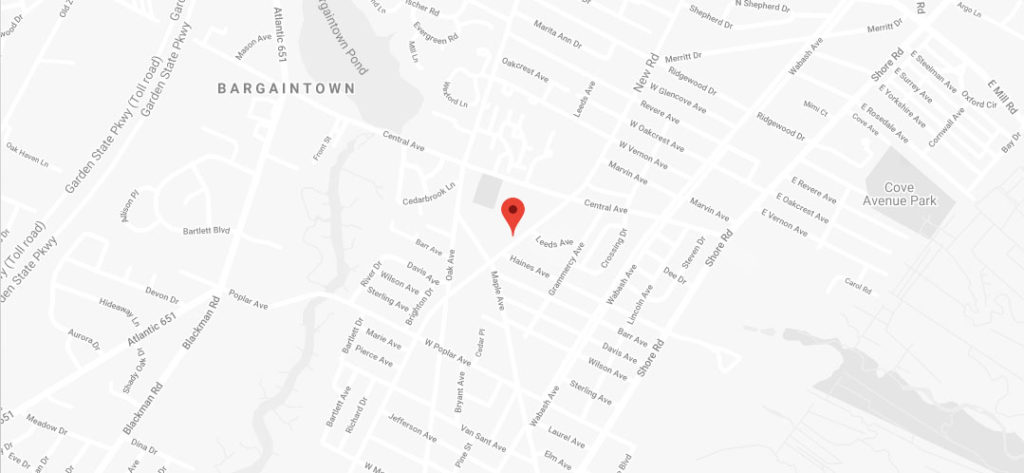
Dr. Fred Coville, is a renowned Aesthetic and Reconstructive Plastic Surgeon. He proudly extends his services to Toms River, Atlantic County, Cape May County, Ocean County, South Jersey and the greater Philadelphia area. With a distinguished career spanning 25 years, Dr. Coville is a trusted professional delivering personalized and natural-looking results. His expertise caters to clients in locations such as Atlantic City, Trenton, Toms River, Vineland, Bridgeton, Hammonton, Cape May, and Cherry Hill.
Accessibility: If you are vision-impaired or have some other impairment covered by the Americans with Disabilities Act or a similar law, and you wish to discuss potential accommodations related to using this website, please contact our Accessibility Manager at 609.228.9714
©️ 2026 Cornerstone Plastic Surgery & Aesthetic Medicine. All Rights Reserved.
Web Design and Digital Marketing by Webtools.